
READING PRACTICE
Reading Japanese Without Stopping at Every Line
A practical way to keep moving through Japanese text while still noticing readings, structure, and the words worth reviewing later.
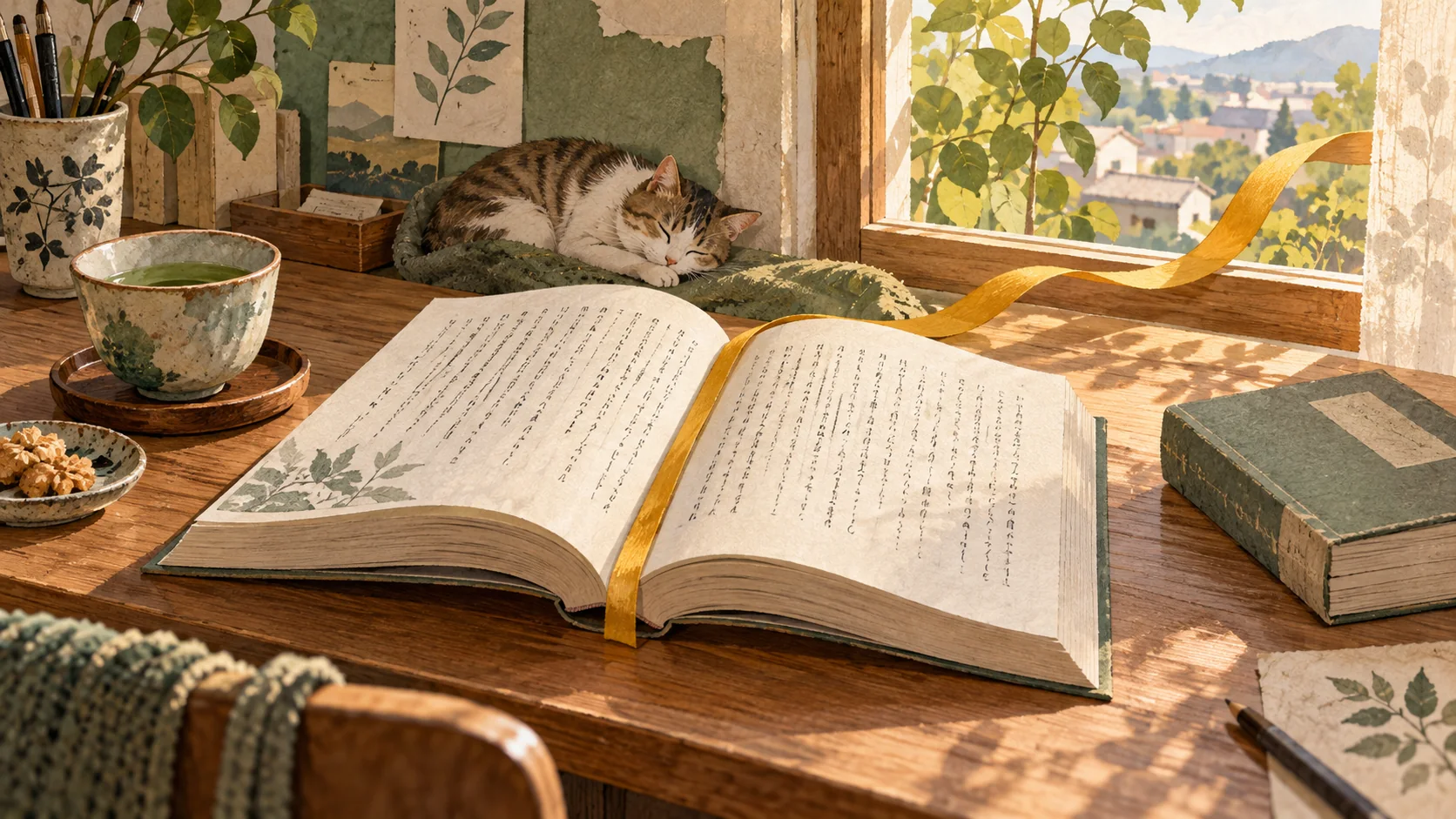
Reading practice becomes much more useful when every unknown word does not become a reason to abandon the sentence.
Keep the sentence moving
The first pass does not have to produce a perfect translation. Read for the shape of the sentence first: what appears to be the topic, what action closes the thought, and which words already feel familiar.
Furigana can remove one kind of friction without removing the Japanese itself. Use it to keep reading, then return to the words that actually blocked understanding rather than stopping for every kanji you could not immediately pronounce.
Separate reading from reviewing
A reading session and a vocabulary review session solve different problems. During reading, mark the small number of phrases that mattered. Afterward, move those phrases into recall practice instead of turning the article into a dictionary exercise.
This is the workflow behind the Reading Nook and Adaptive Recall tools in Manabi Kōbō: encounter language in context, notice what matters, then practice retrieval separately.
A simple three-pass routine
Pass one: read for continuity. Pass two: inspect the sentence structure and confirm only the vocabulary that changes the meaning. Pass three: save one or two reusable phrases for later recall.
The goal is not speed for its own sake. It is to spend more of the session actually reading Japanese.
Put this idea into practice
Keep reading
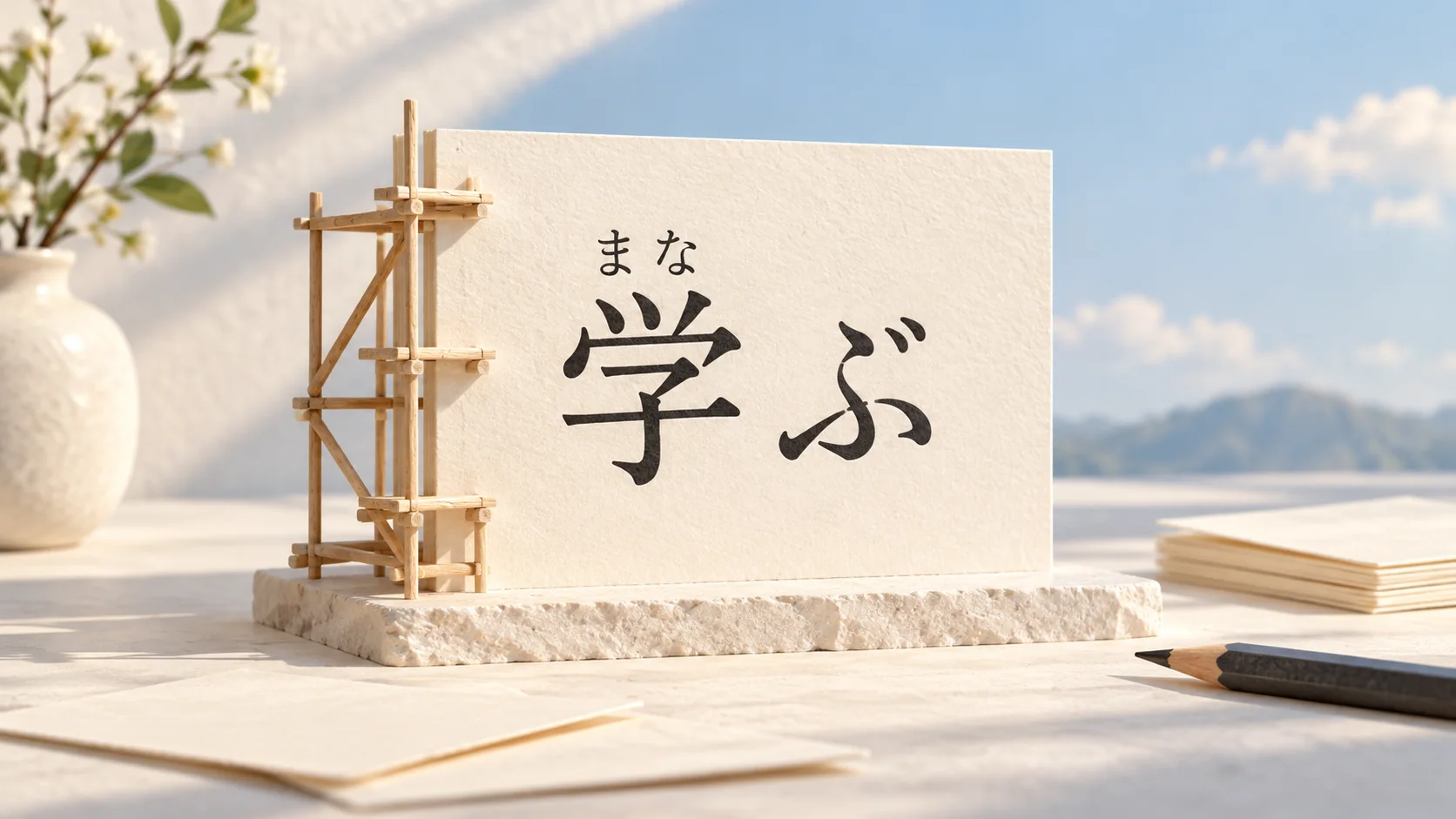
Furigana as Scaffolding, Not a Destination
Furigana is most useful when it keeps you inside authentic Japanese text while your kanji recognition catches up.
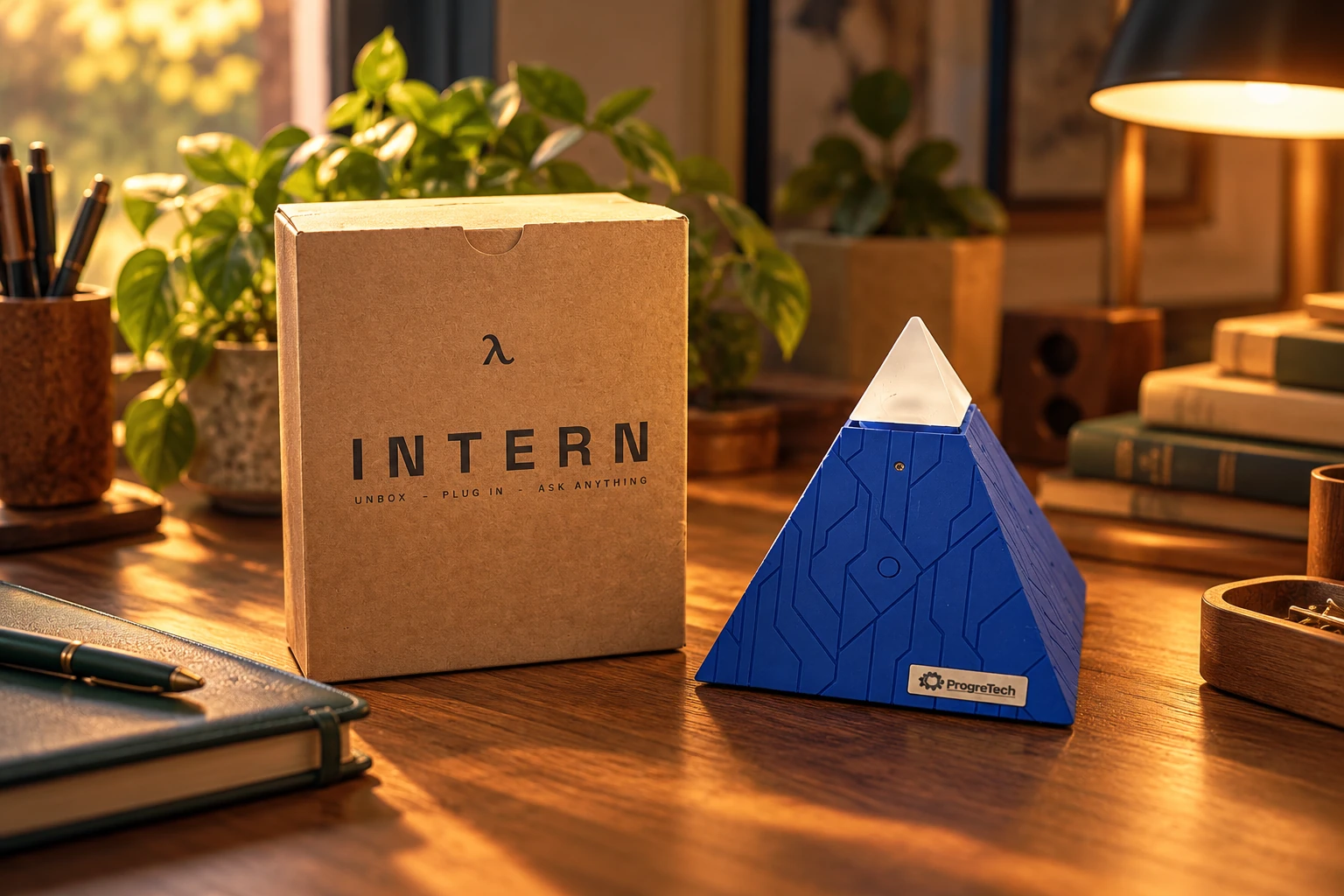
Autonomous Intern 2: Practise Giving Clear Instructions
Meet the desktop AI agent device and practise Japanese requests, draft reviews, and checking results.
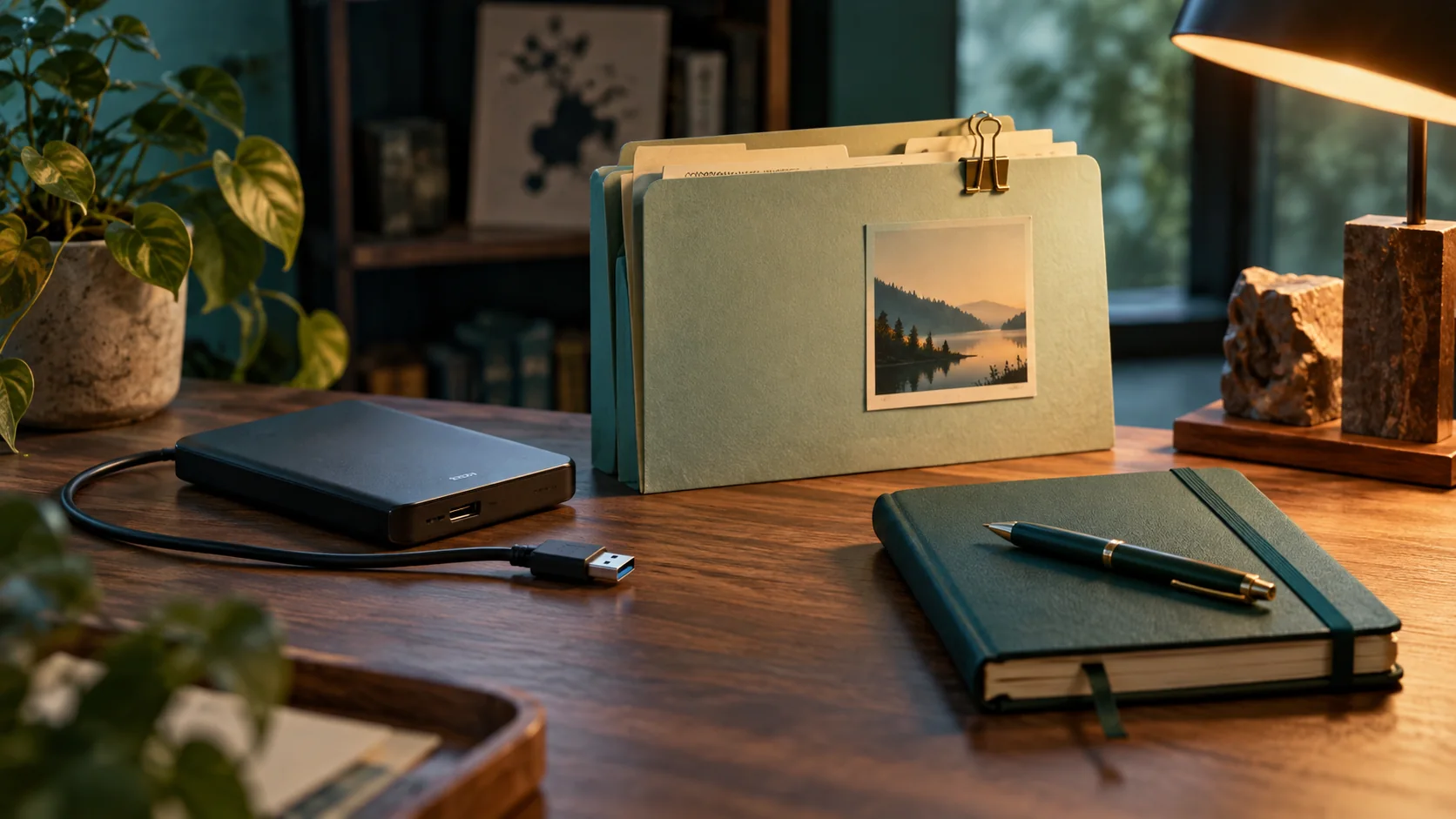
EaseUS Data Recovery Wizard: the first move is to stop writing
A researched recovery-tool assessment for lost notes and project files, with clear limits and a separate destination drive.