
TRAVEL READING PRACTICE
Ask which platform in Japanese, then check your train
Ask for the train to your destination, recognize platform numbers, and check the service with a fictional station exercise.
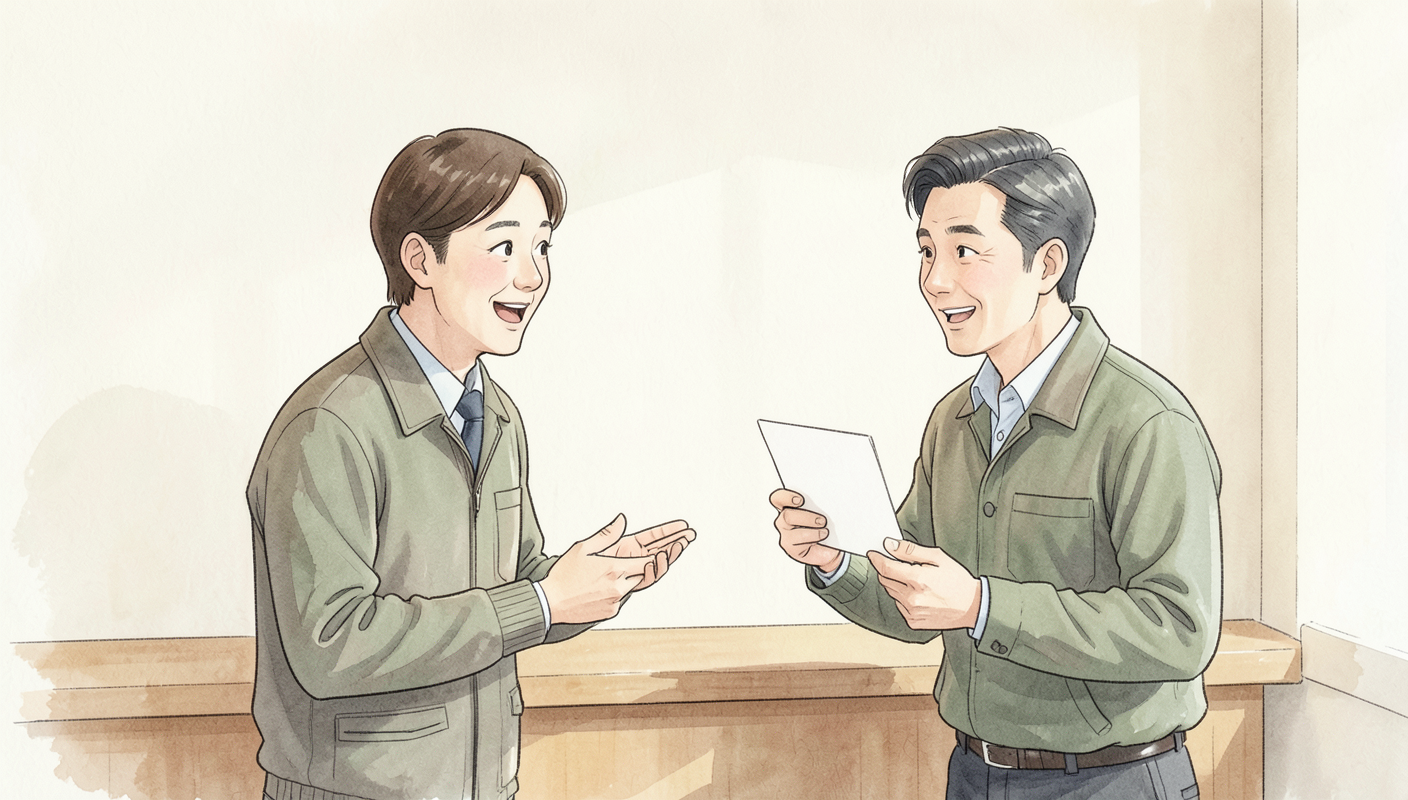
Ask for the train to your destination
You have reached a station, but you still need the platform for your train. Start with the destination name. In this fictional exercise, you want to travel to Sakuragaoka. The station where you are standing is left unnamed, and the platform number below is only part of the exercise.
Have the destination written on your phone or on a small note if pronunciation makes the exchange difficult. You can point to the written name while asking. Ask a member of station staff:
すみません。桜が丘に行く電車は、何番線ですか。
Romaji: Sumimasen. Sakuragaoka ni iku densha wa, nan-bansen desu ka?
This means, “Excuse me. Which platform is the train to Sakuragaoka?” すみません gets the person's attention politely. 桜が丘に行く電車 means “the train going to Sakuragaoka.” The destination comes before に行く, and 電車 is the train you are asking about. 何番線, read nan-bansen, asks for a platform number. Keep the whole destination phrase together when you practise saying it.
For this exercise, the staff member replies:
2番線です。
Romaji: Ni-bansen desu.
That means “It's platform two.” Listen for the number before 番線. You can quietly repeat the number to yourself while looking for the signs. If you missed it, ask the staff member to say it again before walking away.
Now compare what you heard with the station's current signs. Check the platform number and the information for the train to your destination. Several services may use the same platform, so a number alone does not identify the train you should board. If the sign does not seem to match, show the staff member your destination and ask again. Practise the question and reply once, then say which destination and platform number you would look for in this fictional example.
目的地に行く電車について聞く
駅に着いたら、自分の電車が何番線から出るかを確かめます。まず、行きたい場所の名前を用意しましょう。この練習では、桜が丘に行きたいという架空の場面を使います。今いる駅の名前は決めていません。以下の番線も練習用です。
発音が難しいときは、スマートフォンやメモに目的地を書いておくとよいでしょう。質問するときは、書いた名前を指してもかまいません。駅員さんに、こう聞きます。
すみません。桜が丘に行く電車は、何番線ですか。
ローマ字:Sumimasen. Sakuragaoka ni iku densha wa, nan-bansen desu ka?
これは「桜が丘に行く電車の乗り場はどこですか」という質問です。「すみません」で丁寧に声をかけます。「桜が丘に行く電車」は、桜が丘へ向かう電車のことです。目的地を「に行く」の前に置き、その後に「電車」を続けます。「何番線」は番線の番号を聞く言葉です。目的地を表す部分をひとまとまりにして練習しましょう。
この練習では、駅員さんがこう答えます。
2番線です。
ローマ字:Ni-bansen desu.
「番線」の前にある数字を聞きます。看板を探す間、番号を小さな声で繰り返してもよいでしょう。聞き取れなかったら、その場でもう一度言ってもらいます。
次に、聞いた番号と駅の現在の表示を比べます。番線だけでなく、目的地へ行く電車の情報も確かめてください。同じ番線を複数の電車が使うことがあるため、番号だけでは乗る電車を決められません。表示が合わないと思ったら、行きたい場所を駅員さんに見せて、もう一度聞きましょう。質問と返事を一回練習し、この例で探す目的地と番線を答えてください。
Hear the number and separate the labels
When you hear an answer, hold on to the number immediately before 番線. In 2番線です, the location is platform two. The ending です makes the reply polite; it adds no extra number. You may hear surrounding words you do not yet know. Catching the number gives you something specific to check against a sign while the staff member is still nearby.
Read these replies aloud, then cover the English meanings: 2番線です。 Platform two. 3番線です。 Platform three. 5番線です。 Platform five. Romaji: ni-bansen desu; san-bansen desu; go-bansen desu. The changing part is ni, san, or go. Keep bansen attached as you practise so that you recognize a platform answer as a whole phrase. These written prompts are reading practice; they do not test your ability to understand a recording.
For a small recognition check, write the digits for these kana prompts in this order: ごばんせんです。にばんせんです。さんばんせんです。Say your answers before reading on. The order is five, two, three. Go supplies five in the first prompt, ni supplies two in the second, and san supplies three in the last. If you wrote three first, return to the opening sound ご and compare it with さん; the shared ending cannot tell you which number you heard.
For listening practice with a study partner, ask them to choose one of the three numbered replies without showing you the page. Write the number you hear, then have them reveal the written reply. Check the opening sound against your digit. If you disagree, keep the original answer visible while they say it slowly once; then try a different number. A partner can also answer your full destination question so that the number arrives in a short conversation. This gives you a way to check your response against a known prompt. It does not reproduce station noise or establish that you will understand every staff member. When practising alone, shuffle three paper cards with the kana replies, turn one over, and say its platform number. That checks recognition from print. Keep a note of whether an error came from reading the kana or remembering the digit, so you can practise the part that caused it.
A platform number tells you where to look for a train. A destination tells you where you want to go. Keep them in separate spaces on a practice note: destination, Sakuragaoka; platform, two. The two in that note belongs to the place where you board. It gives you no information about a fare, a departure time, a carriage number, or how many stops remain. You would need other information for each of those questions.
The train also has service information. In the later exercise you will see 各駅停車, a local service that stops at every station, and 快速, a rapid service. Romaji: kakueki-teisha; kaisoku. The word rapid alone does not tell you whether your destination is a stop. Read the stops shown for the specific service or ask staff. Several trains can use one platform, including trains with different stopping patterns, so the platform number cannot settle that question.
A sign can contain several kinds of numbers close together. Look for 番線 beside the number you need. If a practice display says 3番線 and 2号車, three labels the platform and two labels a carriage. Romaji: san-bansen; ni-gōsha. You do not have to master every label to ask for help. Point to the destination and the part of the display you are trying to understand, leaving the staff member a clear reference.
Try sorting these details from an imaginary note: Sakuragaoka, 5番線, 各駅停車. Which one answers where you should wait, and which one names the service? Platform five answers the location question. The local label names the service. Sakuragaoka remains the destination. If you answered that the service is five, check the word attached to the digit. 番線 connects five to the boarding location; it does not describe the train's stopping pattern.
番号を聞き、表示の項目を分ける
返事を聞いたら、「番線」のすぐ前の数字を覚えておきましょう。「2番線です」なら、場所は2番線です。「です」は丁寧な言い方で、数字を付け加える言葉ではありません。周りに知らない言葉があっても、数字が分かれば、駅員さんが近くにいる間に表示と比べられます。
次の返事を声に出して読み、意味の説明を隠してみましょう。2番線です。 数字は2です。3番線です。 数字は3です。5番線です。 数字は5です。ローマ字:ni-bansen desu; san-bansen desu; go-bansen desu。変わる部分は ni、san、go です。数字と bansen を続けて練習し、番線の返事をひとまとまりで覚えます。これは文字を読む練習で、録音を聞き取る力を測るものではありません。
確認のため、次のかなの文を順に数字にしてください。「ごばんせんです。」「にばんせんです。」「さんばんせんです。」先に自分で答えてから続きを読みましょう。答えは5、2、3です。最初の「ご」が5、次の「に」が2、最後の「さん」が3を表します。最初を3にした場合は、文頭の「ご」と「さん」を比べてください。共通する語尾だけでは数字を判断できません。
相手と聞く練習をするときは、三つの番号の返事から一つを選び、ページを見せずに言ってもらいます。聞こえた数字を書いてから、元の文を見せてもらい、文頭の音と自分の数字を比べてください。違っていたら元の文を見ながら一度ゆっくり言ってもらい、その後に別の数字を試します。目的地を含む質問に答えてもらえば、短い会話の中で番号を聞く練習にもなります。決まった文と自分の答えを照合できますが、駅の騒音を再現するものでも、どの駅員さんの話も聞き取れると証明するものでもありません。一人なら、かなの返事を書いた三枚のカードを混ぜ、一枚めくって番線の番号を言います。こちらは文字の認識を確かめる練習です。かなの読み方と数字の記憶のどちらで間違えたかメモすると、難しかった部分を練習できます。
番線の番号は、電車を探す場所を表します。目的地は、自分が行きたい場所です。練習のメモには「目的地:桜が丘」「番線:2」と別々に書きましょう。この2は乗る場所の番号です。運賃、発車時刻、車両番号、残りの停車駅の数は分かりません。それぞれ別の情報が必要です。
電車には種別の情報もあります。後の練習には、各駅に止まる「各駅停車」と「快速」が出てきます。ローマ字:kakueki-teisha; kaisoku。「快速」という言葉だけでは、目的地に止まるか分かりません。その電車の停車駅の表示を読むか、駅員さんに聞きます。同じ番線に、停車駅が異なる複数の電車が来ることがあるため、番線だけでは判断できません。
表示には、違う種類の数字が近くに並ぶことがあります。必要な数字のそばに「番線」があるか見ましょう。練習用の表示が「3番線」「2号車」なら、3は番線、2は車両を表します。ローマ字:san-bansen; ni-gōsha。すべての表示を覚えていなくても質問できます。目的地と、表示の分からない部分を指すと、駅員さんに確認したいことが伝わります。
架空のメモに「桜が丘」「5番線」「各駅停車」とあります。待つ場所を答える情報と、種別を示す情報を分けてください。場所は5番線、種別は各駅停車です。桜が丘は目的地のままです。種別を5と答えた場合は、数字に続く言葉を確認しましょう。「番線」は乗る場所を表し、電車の停車の仕方を説明する言葉ではありません。
Confirm the detail you need next
Use a short confirmation when you have a particular detail to check. Suppose a separate fictional exchange gives platform three. You can ask the question below while you are still speaking to the staff member. This exchange is a new example; it does not change the platform two answer in the opening exercise. Keeping examples separate lets you practise different numbers without treating an exercise page as current travel advice.
すみません。3番線ですか。 Romaji: Sumimasen. San-bansen desu ka? This asks, “Excuse me. Is it platform three?” You are offering the number you think you understood and asking whether it is right. The final か turns the polite statement into a question. A staff member may confirm it or correct it. Leave room for the answer; saying the number aloud by itself does not establish that it is correct.
If the destination has dropped out of the conversation, bring it back with the full question from the first section. A bare “platform three?” relies on the other person knowing which trip you mean. Showing Sakuragaoka on your note makes the reference clearer, especially if the staff member has just answered another passenger. Give the person time to connect your destination with the display before you choose where to walk.
You can make a confirmation easier to answer by holding your note where the staff member can see it and asking about one detail at a time. Keep your destination visible while you ask about platform three. After receiving an answer, compare the number with the destination information before moving on to the question about location. If the reply introduces a different number, write the new number beside the destination and check it with the person. Leaving two unexplained numbers on your note can recreate the same uncertainty when you reach the stairs. Cross out a number only after you understand which instruction applies to your trip.
Once you know the number, you may still need help finding the physical location. 3番線は、どこですか。 Romaji: San-bansen wa, doko desu ka? This means “Where is platform three?” Here は introduces the platform as the topic, and どこ asks where it is. Use the answer to find the route indicated by current station signs. A platform number gives you a label to follow; the question about where it is asks for the missing direction.
At the platform, check the particular train you are considering: この電車は、桜が丘に止まりますか。 Romaji: Kono densha wa, Sakuragaoka ni tomarimasu ka? The meaning is “Does this train stop at Sakuragaoka?” Point clearly to the train or its display so that この, “this,” has a shared reference. The question keeps your destination in the sentence and asks about an actual stop. It is useful when the destination on the train's front is farther along the line than your station.
Compare two possible replies: はい、止まります。 “Yes, it stops.” いいえ、止まりません。 “No, it does not stop.” Romaji: hai, tomarimasu; iie, tomarimasen. Listen through the verb ending before deciding. The affirmative and negative forms share their beginning. If you hear the negative reply in this exercise, stay off that train and ask which service you should use. Finding the right platform has not yet answered whether this specific train serves your stop.
Practise choosing a question for a missing detail. You have written “three” but cannot find the platform: use the question with どこ. You can see a train but do not know whether it stops at Sakuragaoka: use the question with 止まりますか. You have lost track of the platform number altogether: use the full destination question. Each choice supplies the information the next action needs. Repeating a number would leave the stop question unanswered.
When a sign and an answer seem inconsistent, show both pieces of information to staff. The display might describe another departure, or you might be reading a different label. This lesson cannot determine which explanation applies at a real station. Ask about the train you intend to take and use the current answer and display together. If the information still is not clear, keep the question open before boarding rather than selecting whichever number feels familiar.
次に必要な情報を確かめる
確かめたい点が決まっているときは、短く確認できます。別の架空の会話で、3番線と案内されたとしましょう。駅員さんと話している間に、次の質問が使えます。これは新しい例で、最初の練習の2番線という答えを変更するものではありません。例を分けて練習し、このページの番号を実際の旅行情報として使わないようにします。
すみません。3番線ですか。 ローマ字:Sumimasen. San-bansen desu ka? 自分が理解した番号を示し、それで合っているか尋ねる質問です。丁寧な文の終わりに「か」を付けると質問になります。駅員さんは、その番号を確認したり、訂正したりします。数字を口にしただけで正しいと決めず、相手の返事を待ちましょう。
会話の中で目的地が分からなくなったら、最初の節の質問をもう一度使いましょう。「3番線ですか」だけでは、相手がどの旅行について聞かれているか分かっている必要があります。駅員さんが別の乗客に答えた直後などは、メモの「桜が丘」を見せると伝わりやすくなります。目的地と表示を照らし合わせてもらってから、歩く方向を決めます。
メモを駅員さんに見えるように持ち、一度に一つの点を尋ねると確認してもらいやすくなります。3番線かを尋ねる間も目的地を見せておきます。返事をもらったら、番号と目的地の情報を照合し、それから場所について質問します。別の数字が出てきた場合は、目的地の横に新しい数字を書き、相手に確認してください。説明のない数字が二つ残っていると、階段でまた迷うかもしれません。どの案内が自分の旅行に当てはまるか分かってから、不要な番号を消しましょう。
番号が分かっても、その場所への行き方が分からない場合があります。3番線は、どこですか。 ローマ字:San-bansen wa, doko desu ka? 「は」はここでは番線を話題にし、「どこ」は場所を尋ねます。返事と現在の案内表示を頼りに進みましょう。番線の番号は探す目印で、「どこですか」はそこへの方向を知るための質問です。
ホームでは、乗ろうとしている電車を確認します。この電車は、桜が丘に止まりますか。 ローマ字:Kono densha wa, Sakuragaoka ni tomarimasu ka? 電車かその表示をはっきり指して、「この」がどの電車か伝えましょう。目的地を文に入れ、その駅に止まるかを尋ねています。電車の行き先として、自分の降りる駅より先の駅が表示されているときにも使えます。
返事を比べましょう。はい、止まります。 止まるという答えです。いいえ、止まりません。 止まらないという答えです。ローマ字:hai, tomarimasu; iie, tomarimasen。肯定と否定は語の始めが共通しているので、動詞の終わりまで聞いてから判断してください。この練習で否定の返事があれば、その電車に乗らず、どの電車を使うか尋ねます。番線が合っていても、その電車が目的地に止まるかは別に確認する必要があります。
足りない情報に合わせて質問を選んでください。「3」とメモしたけれど番線が見つからないなら、「どこ」の質問を使います。電車が見えても桜が丘に止まるか分からないなら、「止まりますか」を使います。番線の番号自体が分からなくなったら、目的地を含めた質問を使います。それぞれ、次の行動に必要な情報を尋ねています。番号だけを繰り返しても、停車駅の疑問は解決しません。
表示と返事が合わないように見えたら、両方を駅員さんに見せます。別の発車についての表示かもしれませんし、違う項目を読んでいるのかもしれません。このレッスンでは、実際の駅でどちらが原因か判断できません。乗りたい電車について尋ね、現在の返事と表示を一緒に確認します。まだ分からない場合は、見覚えのある番号だけで選ばず、乗る前に疑問を解決しましょう。
Choose a train in a fictional journey
Work through this fictional journey at the same unnamed station. You still want Sakuragaoka. All platform allocations and stopping patterns in this exercise are invented for practice; they are not a timetable for any operator. Imagine that the display now has two entries, described in the next paragraph. Keep your destination on a note while you read, and decide which entry gives enough information to ask a useful follow-up question.
Entry A reads 2番線・快速・桜が丘には止まりません. Entry B reads 5番線・各駅停車・桜が丘に止まります. Entry A means “platform two; rapid; does not stop at Sakuragaoka.” Entry B means “platform five; local; stops at Sakuragaoka.” These are simplified teaching entries. Read each complete entry before choosing; the platform two answer in the first exercise cannot establish which service fits this new display.
Ask staff your destination question: すみません。桜が丘に行く電車は、何番線ですか。 In this fictional exchange, the staff member checks the display and says: 5番線の各駅停車に乗ってください。 Romaji: Go-bansen no kakueki-teisha ni notte kudasai. This means “Please take the local train from platform five.” The reply supplies both a boarding location and a service. In this phrase, の connects platform five with the local train being described. Record both details before walking toward the platform.
Choose A or B and explain your choice without using the word faster. The answer is B: the display says that this local service stops at Sakuragaoka, and the staff reply directs you to the local at platform five. A fails because its displayed stopping information excludes your destination. Rapid is not a reason to board a train that misses your stop. Neither entry provides enough information to compare total journey times or prices.
At platform five, identify the particular train or its display and ask: この電車は、桜が丘に止まりますか。 For this exercise, the staff member replies: はい、止まります。 That affirmative answer supports choosing the indicated local service together with the display and earlier instruction. If the reply had been negative, you would need another service even though you had reached platform five. The question checks the train in front of you; the platform sign alone cannot do that work.
架空の旅行で電車を選ぶ
同じ名前のない駅で、架空の旅行を練習しましょう。目的地は引き続き桜が丘です。この練習の番線や停車駅はすべて架空で、どの鉄道会社の時刻表でもありません。表示には次の段落の二つの項目があると考えてください。目的地のメモを見ながら読み、どの項目について確認すればよいか考えます。
項目Aは「2番線・快速・桜が丘には止まりません」、項目Bは「5番線・各駅停車・桜が丘に止まります」です。Aは2番線の快速が桜が丘に止まらないこと、Bは5番線の各駅停車が桜が丘に止まることを表します。学習用に簡単にした表示です。最初の練習で2番線と答えられたことだけでは、今回どの電車が使えるか判断できないので、各項目を最後まで読んでください。
駅員さんに目的地について質問します。すみません。桜が丘に行く電車は、何番線ですか。 この架空の会話では、駅員さんが表示を見て、こう答えます。5番線の各駅停車に乗ってください。 ローマ字:Go-bansen no kakueki-teisha ni notte kudasai。乗る場所と種別の両方を伝える返事です。この文の「の」は、5番線と、説明している各駅停車を結び付けています。ホームへ向かう前に、両方をメモしてください。
AかBを選び、「速いから」という理由を使わず説明してください。答えはBです。表示ではこの各駅停車が桜が丘に止まり、駅員さんも5番線の各駅停車を案内しています。Aは目的地に止まらないと表示されているため、選べません。快速でも、自分の降りる駅に止まらなければ乗る理由にはなりません。どちらの項目からも、所要時間や運賃を比較するための十分な情報は得られません。
5番線で、確認する電車かその表示を示し、尋ねます。この電車は、桜が丘に止まりますか。 この練習では、駅員さんがこう答えます。はい、止まります。 この肯定の返事を、表示や先ほどの案内と合わせて、示された各駅停車を選びます。もし否定の返事なら、5番線に着いていても、別の電車が必要です。目の前の電車を確認する質問であり、番線の表示だけでは確認できない内容です。
Explain your choice from the current information
Check your understanding with two short decisions. First, a friend says, “We used platform two in the first example, so let's go there again.” What would you show them? Show entry B and the staff instruction for the current exercise: both identify the local at platform five. Earlier practice numbers are not a continuing allocation. Second, someone says, “The rapid uses platform two, so every train at platform two must be rapid.” Is that supported?
The second claim is unsupported. The exercise describes one rapid service in one entry. It says nothing about every departure from that platform. A later train could have different stopping information, which you would check when considering it. If you answered yes, separate the location label from the service label again. You can keep “platform two” in a location column and place the rapid information beside only the departure to which it belongs.
As a final variation, imagine that staff now direct the same local service to platform three and the current display agrees. What should change on your note? Replace five with three after confirming the new instruction, and keep Sakuragaoka and local. The destination has stayed the same while the boarding location has changed. You would still check that the train you approach stops at Sakuragaoka. If you changed the destination to three, you would lose the place you intend to reach. If you kept five because it appeared earlier on this page, you would be following an old exercise detail instead of the information in this variation.
Return to the original A/B display and write a pocket note with your destination, platform, and service. It should read Sakuragaoka, five, local. Then say the stop question once while pointing to entry B. For a final check, cover the answers and explain why platform two was rejected here. If you can name the missing stop, your decision uses the travel information in the example. On an actual trip, replace every exercise detail with current staff and display information before boarding.
This original lesson uses fictional destinations and platform assignments. For more language practice, see The Japan Foundation’s Irodori Starter, Lesson 13. SEIBU’s train guide explains how to check destinations and departures on station displays. Use the operator’s current information for your trip.
今の情報で、選んだ理由を説明しよう
二つの短い判断で確認しましょう。まず、友人が「最初の例は2番線だったから、またそこへ行こう」と言いました。何を見せますか。今回の項目Bと駅員さんの案内を見せます。どちらも5番線の各駅停車を示しています。前の練習の数字が、その後も使える案内になるわけではありません。次に、「快速が2番線を使うから、2番線の電車は全部快速だ」と言われました。そう判断できるでしょうか。
二つ目の発言には根拠がありません。練習で説明したのは、一つの項目にある一つの快速だけで、その番線のすべての発車については述べていません。後の電車は停車駅が違うかもしれず、乗る候補にしたときに確認が必要です。「はい」と答えた場合は、場所と種別をもう一度分けましょう。「2番線」を場所の欄に置き、快速という情報は該当する発車だけに添えます。
最後の応用として、駅員さんが同じ各駅停車を今度は3番線に案内し、現在の表示も一致していると考えてください。メモの何を変えますか。新しい案内を確認してから5を3に変え、桜が丘と各駅停車は残します。目的地は同じで、乗る場所が変わりました。近づいた電車が桜が丘に止まるかは、引き続き確認します。目的地を3に変えたら、行きたい場所が分からなくなります。ページの前に出たからと5を残したら、この応用問題の情報ではなく、前の練習の数字に従うことになります。
最後に、応用問題の前の項目AとBに戻り、その目的地、番線、種別を小さなメモに書いてください。「桜が丘、5、各駅停車」になります。項目Bを指しながら、停車駅を尋ねる質問を一度言います。答えを隠し、今回はなぜ2番線を選ばなかったか説明してください。目的地に止まらないことを挙げられれば、例の旅行情報を使って判断できています。実際に乗るときは、練習の情報をすべて現在の駅員さんの案内や表示に置き換えてください。
この記事の行き先と番線は練習用の架空のものです。日本語の練習には、国際交流基金の『いろどり』入門13も使えます。西武鉄道の案内では、駅の表示で行き先や発車時刻を確かめる方法を紹介しています。実際の旅行では、鉄道会社の最新の案内を使ってください。
Put this idea into practice
Keep reading
Reading Japanese train status notices
Learn three train status expressions, read two fictional notices and practise asking whether a train is running.

Use AI for Japanese practice you can check
Build a small routine for cards, listening, writing and reading, with clear examples and ways to check the help you receive.

Read a Japanese Release Note and Say Exactly What It Claims
Work through one real VOICEVOX 0.26.1 entry and paraphrase it in English or Spanish while keeping the changed parts and the stated purpose.