
DEVELOPER NOTES
GPT-6.1 Sol migration: check the request before you judge the model
A September 2026 model change becomes a small, measurable migration instead of a blind string replacement.
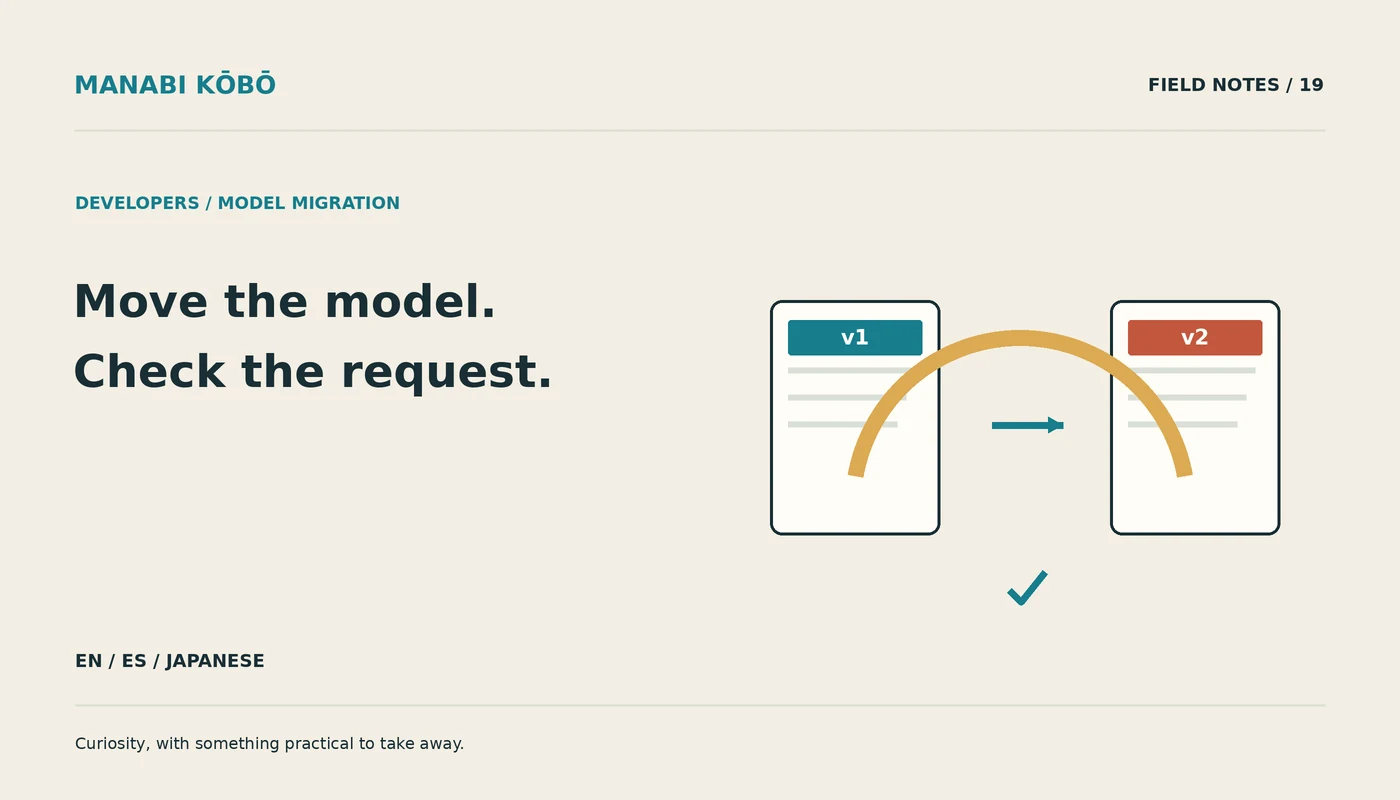
Documentation snapshot: October 14, 2026. This guide discusses the dated release described below; check the linked official documentation for current API behavior and account availability before implementation.
New model day makes it tempting to change one string and call the migration finished. I would give that string a little more attention. GPT-6.1 Sol was released on September 29, 2026, according to the OpenAI changelog. This walkthrough uses documentation checked on October 14, 2026. It is a migration exercise, not a benchmark claiming the new model wins on your application.
Check compatibility first
The model page says to use Responses for tool calling. Chat Completions support does not imply the same tool behavior. Supported reasoning efforts also matter: none and minimal are not supported for this model. An old request that explicitly sets one of those values needs deliberate revision.
Keep your current production path intact and add a candidate configuration. Record endpoint, model, reasoning effort, tool definitions, timeout, and application revision. This minimal example assumes the official Python SDK is installed and the API key is already supplied securely through the environment. It makes a paid API request; no request was run for this article.
from openai import OpenAI
client = OpenAI()
response = client.responses.create(
    model="gpt-6.1-sol",
    reasoning={"effort": "medium"},
    input="Explain one risk of retrying a payment request."
)
print(response.output_text)
Build a migration set from actual failures
Use sanitized examples representing your workflow: a routine success, ambiguous input, an unavailable tool, a timeout, malformed returned data, and a request outside scope. Add the case that embarrassed the previous version. Fix expected outcomes before running the candidate so you do not quietly redefine success after seeing its answer.
For code changes, score the applied diff and behavior, not just the prose. Does the test fail before the fix? Does it pass afterward? Did the candidate alter unrelated files? For structured extraction, validate both schema and meaning. Valid JSON containing the wrong account is still wrong.
Change one variable at a time
Start with the same task set and comparable configuration. Then separately explore reasoning effort or prompt changes. Otherwise you will not know whether the model, instructions, or extra compute caused the result. Record failed runs, retries, token usage, wall time, and reviewer corrections. A successful second attempt belongs in the cost of the task.
Promote only after the candidate meets your acceptance criteria, then start with a bounded slice of eligible traffic. Keep the previous configuration available and define a rollback trigger. Recheck the migration guidance before implementation because interfaces evolve. New capability is exciting; a migration you can explain is what lets you use it confidently.
GPT-6.1 Solへの移行はリクエスト確認から
この記事は2026年10月14日に確認した資料に基づく。以下で紹介するのは、その日付の公開情報だ。実装前に、リンク先の公式資料で現在のAPI仕様とアカウントの利用条件を確認してほしい。
新モデルが出ると名前だけ置き換えたくなる。でもリクエストの互換性から確認したい。公式更新履歴ではGPT-6.1 Solは2026年9月29日公開。この手順は10月14日確認で、自分の用途で性能が上がるという実測結果ではない。
設定を固定する
モデル説明によるとツール呼び出しにはResponsesを使う。Chat Completionsも同じ機能とは限らない。推論設定のnoneとminimalは非対応だ。本番を残し、候補のモデル、API、推論量、ツール、タイムアウト、コード版を記録する。
次は公式Python SDKと環境から安全に渡すAPI鍵が必要な有料リクエスト例だ。記事のためには実行していない。
from openai import OpenAI
client = OpenAI()
response = client.responses.create(
    model="gpt-6.1-sol",
    reasoning={"effort": "medium"},
    input="Explain one risk of retrying a payment request."
)
print(response.output_text)失敗例で比較する
秘密情報を除いた正常、曖昧、ツール停止、時間切れ、不正なデータ、範囲外の依頼を用意し、期待結果を先に決める。コードなら説明文ではなく差分と動作を見る。修正前に失敗し、修正後に成功するか。無関係な変更がないか。JSONも形式だけでなく意味を確認する。
最初は同じ条件で比較し、その後で推論量や指示を別々に調整する。失敗、再試行、トークン、時間、人の修正を全部記録する。合格後も一部の対象から導入し、元の設定と戻す条件を残そう。実装前に移行ガイドを再確認する。
Put this idea into practice
Keep reading
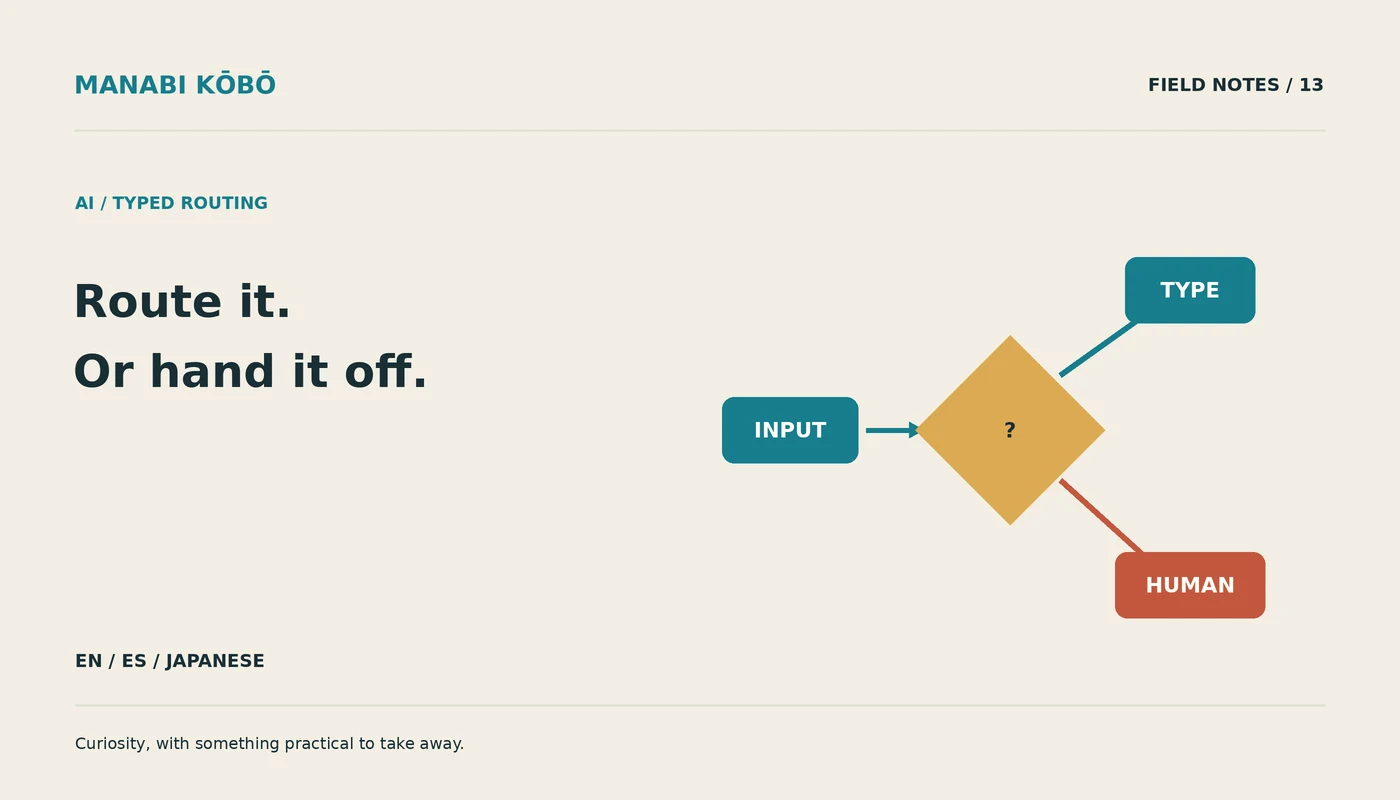
Decisions API, October 2026 beta: build a classifier that knows when to hand off
A practical design for typed routing, abstention, error handling, and evaluation after the October 2026 beta.
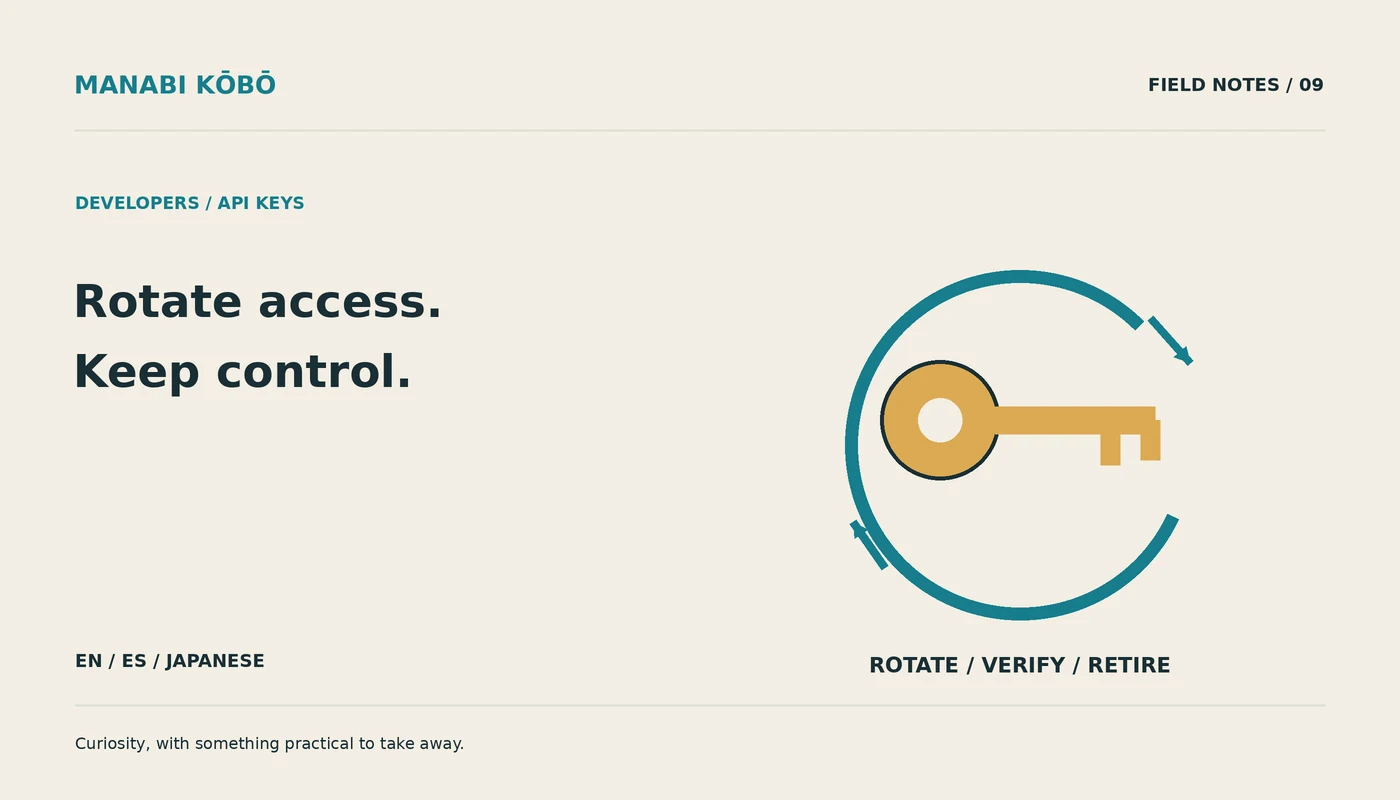
September API key controls: rotate access without surprising your workers
A staged rollout for key expiration and creation policies, including the existing keys those policies do not revoke.
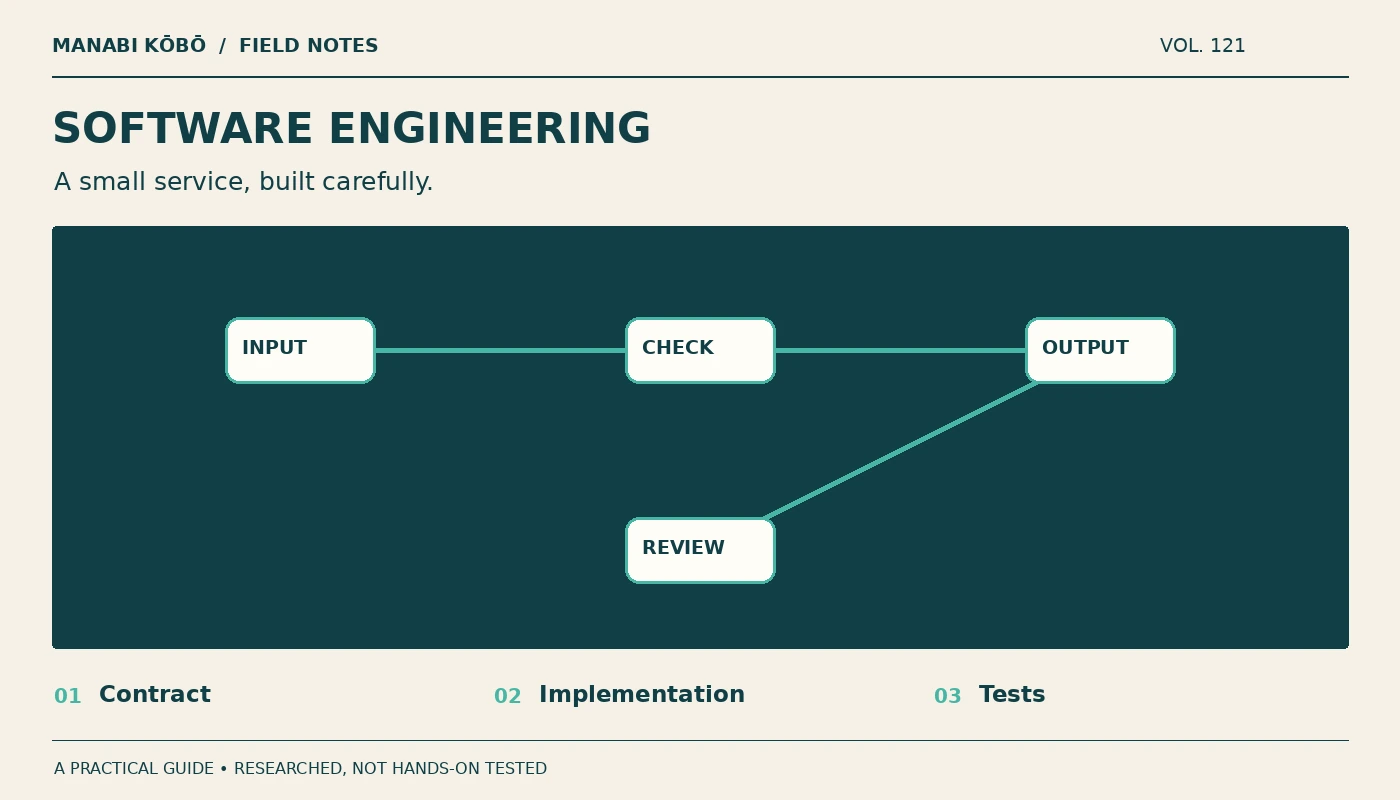
A Python bootcamp should leave you with a tool someone else can run
Assessing a software engineering bundle through a small command-line tool, reproducible setup and restrained concurrency.